_1440x590-1.png)
Drinking wine and tasting wine are two different things. A few simple techniques will help you notice more from every sip.
There is more in the glass than you think
Most of us drink wine the same way we drink everything else. It goes in the glass and then straight into our mouths. But wine is one of those few drinks that rewards a moment of attention before you take that first sip.
You do not need to be an expert to taste wine properly. You just need to slow down slightly and know where to look. Here is how.
Step 1: Look at the colour
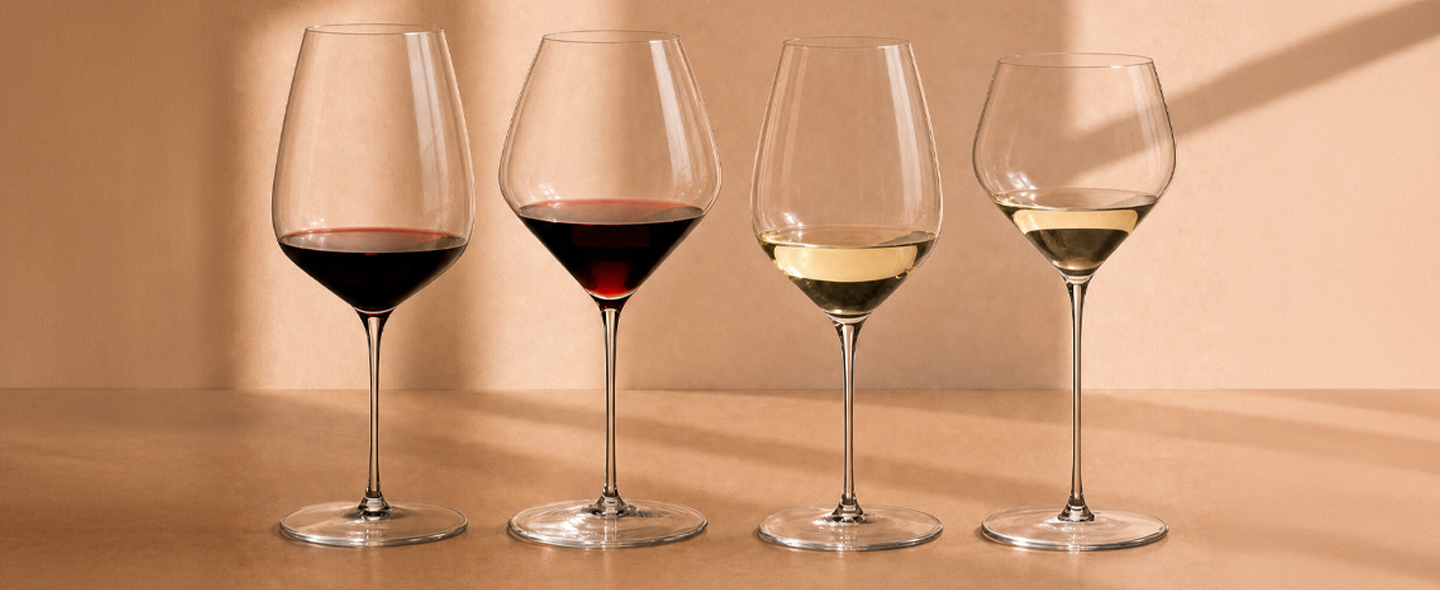
Tilt the glass against a white background and have a look. Colour in wine carries information.
- Reds: A deep, dark purple or ruby tends to signal more concentration and complexity. A lighter, more translucent red often means a lighter-bodied wine like Pinot Noir.
- Whites: A pale, near-clear white is typically crisp and young. A deeper golden colour often means more body, age or time in oak.
This is not about judging the wine before you taste it. It is about building an expectation and then seeing if the wine confirms it.
Step 2: Swirl and nose the wine
Give the glass a gentle swirl. This agitates the wine and encourages it to release its aromas. Then bring your nose close to the rim and take a steady sniff.
What you are doing is giving the aromatic compounds in the wine a chance to reach you. Swirling increases the surface area of the wine in contact with air, which speeds up that process considerably.
Try nosing the glass before and after swirling. The difference is usually immediate and noticeable.
You do not need to name every aroma. Just notice: is it fruity, floral, earthy, spiced, fresh or something else? That impression is enough to start building a picture of the wine.
Step 3: Taste with purpose
Take a sip and let it sit in your mouth for a moment before swallowing. Different parts of your tongue pick up different signals. Letting the wine move around your palate gives it the chance to show everything it has.
Pay attention to 4 things:
- Sweetness: Most table wine is dry, meaning there is little residual sugar. If it tastes sweet, that is a deliberate style choice by the winemaker.
- Acidity: The mouthwatering sensation after a sip. High acidity means the wine will pair well with food. Low acidity can make a wine feel flat.
- Tannin: The drying, grippy sensation you get from red wines. It comes from the grape skins and seeds. Tannins soften with age and food.
- Finish: How long the flavour lingers after you swallow. A longer finish generally indicates a more complex wine.
Why pairing works the way it does
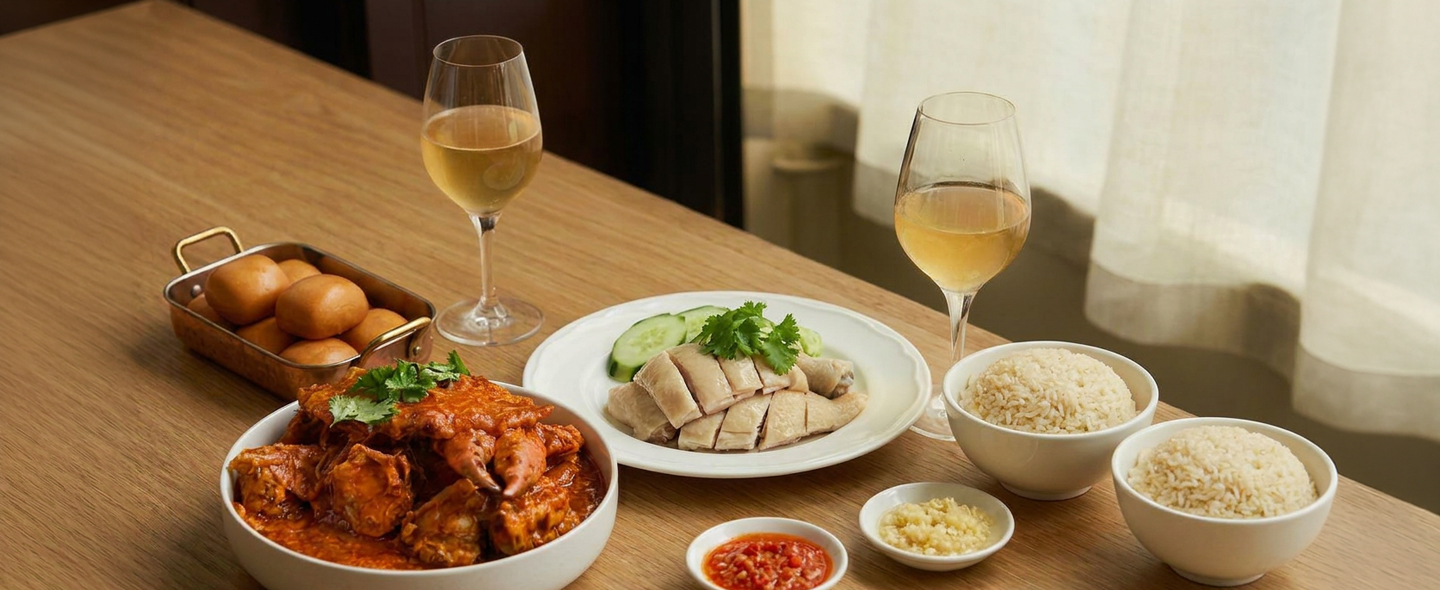
Wine and food pairing comes down to a few practical principles.
- Your wine should be at least as acidic as the food it accompanies. Acidic wines feel flat against rich, acidic dishes.
- Match the weight of the wine to the weight of the dish. A light Pinot Grigio next to a heavy beef stew will disappear. A big Shiraz next to a delicate seafood dish will overpower it.
- The sauce matters more than the protein. Chicken in a light cream sauce calls for a different wine than chicken in a rich, spiced curry.
These are starting points, not rules. Honestly, the best pairing is the one that tastes good to you.