Wine labels can feel confusing. Learn the important terms like grape, region and vintage so you can pick a bottle you’ll enjoy
The wine label decoded
Standing in the wine aisle staring at a label that might as well be in code? If you've ever searched 'how to read a wine label', you're not alone.
You only need to understand a few key parts of a wine label to make a confident choice. Everything else you can safely ignore.
The 5 things that actually matter
1. The Grape Variety (or the Region)
This is the most useful thing on the label, if it's there.
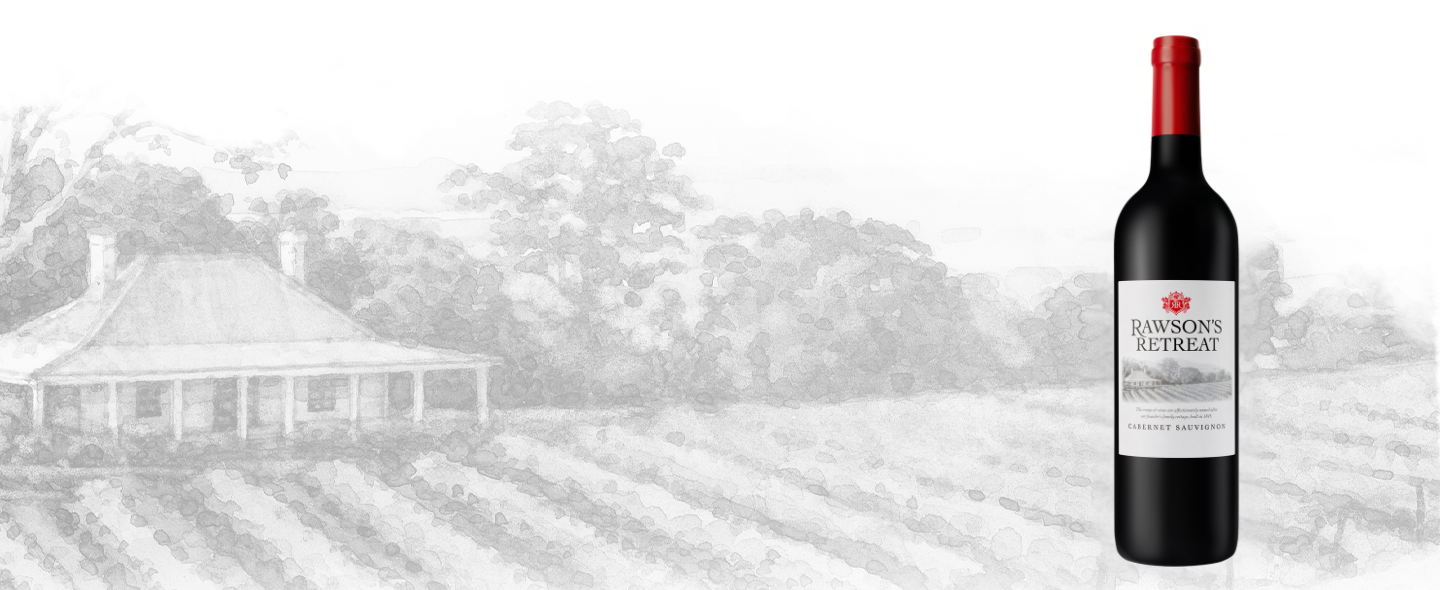
New World wines (Australia, New Zealand, USA, South Africa, Chile, Argentina) usually label by grape variety: Shiraz, Chardonnay, Sauvignon Blanc, Pinot Noir. Straightforward.
Old World wines (France, Italy, Spain, Portugal) often label by region instead: Chablis, Chianti, Rioja, Champagne. These regions each have rules about which grapes can be used, so the region name implies the grape.
A quick cheat sheet:
- Chablis → Chardonnay
- Rioja Tinto → Tempranillo
- Chianti → Sangiovese
- Sancerre → Sauvignon Blanc
- Côtes du Rhône → usually a Grenache-Syrah blend
- Champagne → usually Chardonnay and/or Pinot Noir
Once you know a few of these, Old World labels become much less mysterious.
2. The Vintage (Year)
The year on the bottle is when the grapes were harvested, not when the wine was bottled or purchased.
For most everyday wines under $40, the vintage matters less than you'd think. Whites and rosés are best within 2 to 3 years. Most everyday reds are good within 3 to 5 years.
For wines you're considering ageing, vintage matters more. For a Tuesday dinner, don't overthink it.
3. The Producer
The name of the winery or producer. Worth paying attention to over time. If you enjoy a bottle, remember the producer and look for their other wines. Good producers make good wine consistently across their range.
4. The Region (and what it tells you about style)
Where a wine comes from shapes how it tastes.
- Cooler climates (New Zealand, Germany, northern France) tend towards higher acidity, lighter body and more delicate flavours
- Warmer climates (Australia, California, southern Spain) produce riper fruit, fuller body and more alcohol
A useful shortcut when you're choosing between two similar grape varieties.
5. Alcohol Level
Found in small print, usually on the front or back label, expressed as a percentage (e.g. 13.5% ABV, alcohol by volume).
- Under 12.5%: Lighter, often crisper (Riesling, Pinot Grigio, some Rosé)
- 12.5% to 14%: The sweet spot for most table wines
- Over 14%: Bigger, bolder, riper (common in Australian Shiraz or Californian Zinfandel)
Prefer lighter, more refreshing wines? Go lower.
Like something full-bodied and warming? Go higher.
What you can safely ignore
- Long descriptions like "handcrafted, barrel-aged, sustainably farmed". Nice to read, but not something you need to stress over.
- Medals and stickers. They look impressive, but there are a lot of competitions out there.
- Fancy bottle shapes or heavy glass. A heavier bottle does not mean better wine.
- Back label tasting notes. Helpful as a guide, but they're written by the winery, so they're naturally a little generous.
The simplest approach
Find a grape you like, look for that grape from a region that fits your budget, check the vintage is reasonably recent. Done.